Projects
A 33-panel solar and battery install in Mount Maunganui.

Location
Oceanbeach Road, Mount Maunganui
Panels
33 × Jinko 475W
Array
15.7kW
Inverter
10kW SigenStor hybrid, three-phase
Battery
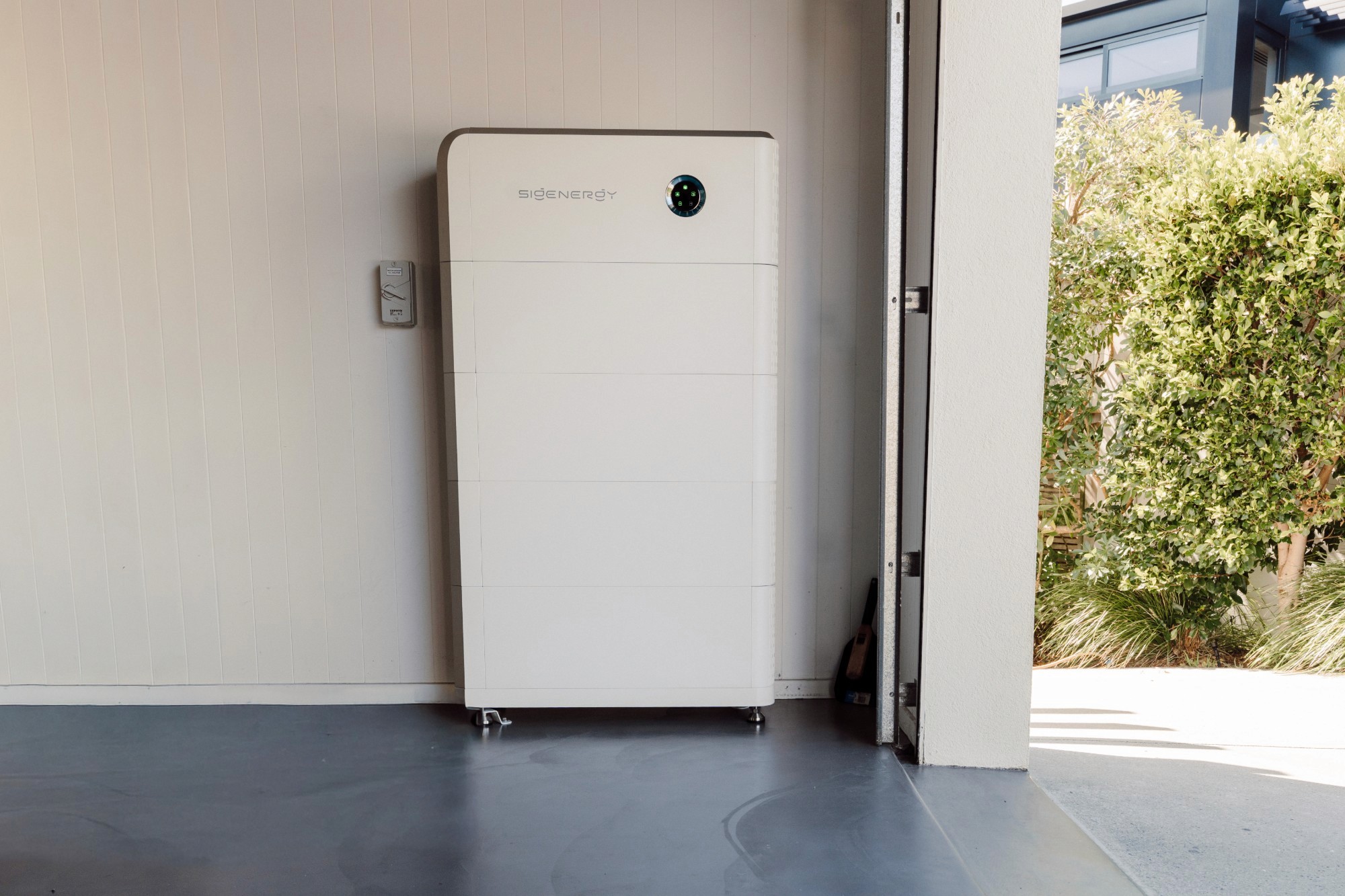
36kWh SigenStor
Strings
3, split for shade
The brief
This household on Oceanbeach Road uses a lot of power, so a starter solar system was never going to move the bill much. The brief was a solar and battery install in Mount Maunganui sized to how the house actually runs, with enough storage to make the most of cheap overnight power and keep the house going when the grid does not. We started where every solar job starts: a chat about how the house uses power through the day and night, then the power bill, then the modelling. The numbers pointed to a bigger battery than usual. With 36kWh of storage the house can charge from cheap power overnight, run through the expensive evening peak on it, and still have the whole house covered in a power cut. The roof had one complication: a large tree beside the garage. Rather than lose output to its shade, we modelled the sun each panel gets month by month and split the 33 panels into three strings, so shade on one section never drags down the rest.
The scope
01
Shade modelling and string design
The tree beside the garage sits right where you would not want it for this array. On a single string, a shadow across a few panels pulls the whole system down with it. So before anything went on the roof we modelled the sun access of every panel, month by month, and used that to split the 33 panels into three strings of 7, 12 and 14, each on its own input on the inverter. When the tree shades one section, only that section drops. The owners know how the system will perform through the year, not just on a clear day in January.
02
Roof arrays
33 Jinko 475W panels across two faces of the tiled roof, east and west, for a 15.7kW array. The design estimate for this roof is around 17,900kWh a year, from around 77kWh a day in January down to around 20kWh a day in June, which is exactly why the battery matters here. The drone shots below show both arrays, the tree that shaped the design, and how close the whole thing sits to the beach.
03
Inverter, battery and switchboard
A SigenStor 10kW three-phase hybrid inverter with four 10kWh battery modules stacked under it, 36kWh in total, and a three-phase CT meter on the supply so the system can see what the house is drawing and sending back. We went bigger on the battery than usual because of the household’s high energy use. With that much storage the system can charge from cheap overnight power and discharge it through the expensive parts of the day, as well as store what the roof makes. Grid-connected solar needs the lines company on board, so the connection was applied for before switch-on, and like every job we do the install closed with a Certificate of Compliance.
04
Commissioning and handover
The system runs in Sigen AI mode, which decides when to charge the battery from the roof or the grid and when to run the house from it. In a power cut the battery runs the whole house until it runs low or the power comes back. At handover we set the owners up on the app, so they can see what the panels are making, what the battery is holding and what the house is using. Their handover book covers every serial number, the shutdown steps, the 25-year panel warranty and the 10-year inverter and battery warranties, and when the first yearly check is due. We keep checking in as they use the system and refine the settings so it keeps doing what the modelling said it would.



After handover
What it’s doing now
The design estimate for this roof is around 17,900kWh a year, or about 49kWh a day averaged across the year. Summer is the easy part, at around 77kWh a day in January. Winter drops to around 20kWh a day in June, and that is where the battery earns its keep, charging from cheap overnight power and running the house through the expensive morning and evening peaks. In a power cut the whole house keeps running on the battery. We will check back with the owners once they have a few full bills behind them.
Questions people ask about solar batteries
01
Is a solar battery worth it in New Zealand?
It depends on how and when you use power. A battery pays its way when the house uses a lot in the evening, when your power plan has cheap overnight rates to charge from, or when you want the house to keep running in an outage. This Mount Maunganui home uses a lot of power, so it got 36kWh rather than a token battery, and the system buys cheap overnight power to run the house through the peaks. EECA’s guidance is the same: batteries suit homes with high use outside daylight hours, or anyone wanting backup. If your evenings are quiet and you are out all day, solar alone may be the better buy, and the modelling will show it.
02
Is a 10kWh battery enough to run a house?
For a low-use home, sometimes. For this one, no. The design estimate here is around 49kWh a day of generation averaged over the year, and the house uses a lot of it, so we fitted four 10kWh modules for 36kWh of storage. The right size comes from your power bill: how much the house uses after dark, and whether you want the whole house or just the essentials covered in a power cut. Here the battery runs the whole house until it runs low or the grid comes back.
03
Do solar panels work if part of the roof is shaded?
Yes, if the system is designed for it. On a single string of panels, shade on a few of them drags the output of the whole string down. At Oceanbeach Road a large tree shades part of the garage roof for parts of the day, so we modelled the sun each panel gets month by month and split the 33 panels into three strings on three separate inverter inputs. Shade on one section now only affects that section, and the other two carry on at full output.


Planning solar and a battery at the Mount?
Send us a recent power bill and we’ll model what panels and a battery would return before you spend anything.